Nutrition & Performance
Fuelling before and after training, from running to lifting
Practical ways to fuel running, lifting, football and boxing: match carbohydrate, protein, fluids and meal timing to your session and recovery needs.
By Ismail Sattaoui, Registered Associate Nutritionist (ANutr) ·
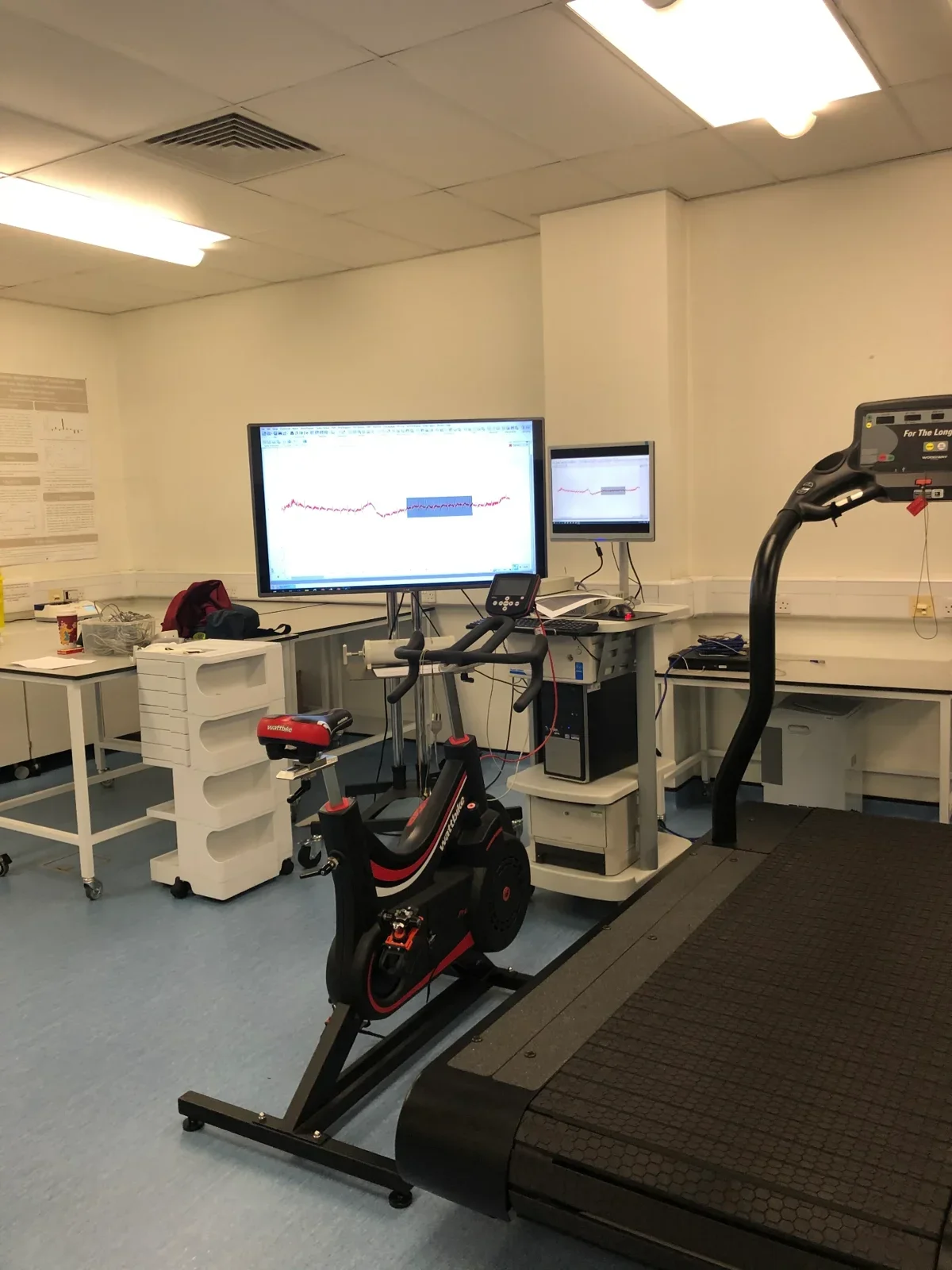
The treadmill and exercise bike in this photo put performance into focus. Food choices deserve the same attention to what you are asking your body to do. A steady run, heavy squats and repeated boxing rounds place different demands on your fuel stores. Start with the session ahead and how soon you need to recover.
Match the fuel to the work
Carbohydrate is stored as glycogen in muscles and the liver. Think of it as a fuel reserve that training draws on. Longer or harder sessions usually require more carbohydrate across the day, as the British Dietetic Association explains. Enough food overall matters too; a perfectly timed snack cannot cover a consistently under-fuelled day.
For endurance running, the challenge is sustaining effort as the session gets longer. Football, boxing and conditioning combine movement at lower intensities with repeated hard efforts, increasing reliance on carbohydrate. UEFA’s football nutrition guidance reflects this demand for fuel before, during and after match play.
Weightlifting adds another emphasis: protein supports muscle repair and adaptation. Carbohydrate still deserves space on the plate. A meta-analysis of resistance exercise found benefits for training volume were more apparent in longer sessions and after overnight fasting. Extra carbohydrate does not reliably improve every short, already-fed lifting session.
Before training, allow time to digest
A familiar carbohydrate-containing meal around two to three hours beforehand is a useful starting point. Rice, pasta, potatoes, oats or bread can supply fuel; include some protein if comfortable. As training gets closer, a smaller snack may be easier to tolerate. Pre-exercise guidance from the Victorian Government highlights food choices and digestive comfort.
Take a 7 pm boxing or conditioning session after lunch at 1 pm. A banana and toast around 6 pm could bridge that long gap. Adjust the amount and timing to appetite and tolerance. A large, fatty meal or lots of fibre close to running can feel uncomfortable. Practise food choices in training before relying on them for a match or race. Drink regularly through the day so you begin hydrated.
For prolonged, demanding runs or football sessions, plan carbohydrate during exercise too. Pre-session food has to work alongside what happens during the session.
After training, refuel and repair
Carbohydrate replenishes glycogen; protein provides amino acids used to repair and build muscle tissue. Include both in a meal or snack, and drink to replace fluid lost through sweat. After hot or very sweaty sessions, replacing sodium through food or an appropriate electrolyte drink can also help, according to Australian Institute of Sport guidance.
Recovery urgency depends on the next session. A morning run followed by evening football makes prompt refuelling more important. If tomorrow is a rest day and dinner follows soon, that meal can do the job.
Protein intake across the day and the timing of your previous meal also matter. The ISSN position on nutrient timing puts daily intake in context. Plan regular protein-containing meals; if dinner is delayed, Greek yoghurt with fruit or a milk drink and sandwich can provide a practical stopgap.
Three ideas to put into practice
These are starting portions to adapt to your appetite and session demands.
- A meal before training: cook 40 g oats with 200 mL milk or fortified soya drink; add one banana. Allow time to digest.
- A smaller snack closer to training: one toasted bagel with a little jam and water alongside. Try half first if your stomach prefers less.
- A recovery bowl: combine 180 g cooked rice with 100 g drained tinned tuna or 150 g ready-to-eat tofu, a handful of vegetables and a dressing you enjoy. Follow pack instructions for preparation.
Choose the food, timing and portion around the training you actually do, then repeat what works.