Nutrition Education
Beyond Protein: Why Vegetables Matter on Your Plate
Protein is important for muscle repair, but what about vitamins, minerals and fibre? Discover how to build a balanced meal with practical cooking tips.
By Ismail Sattaoui, Registered Associate Nutritionist (ANutr) ·
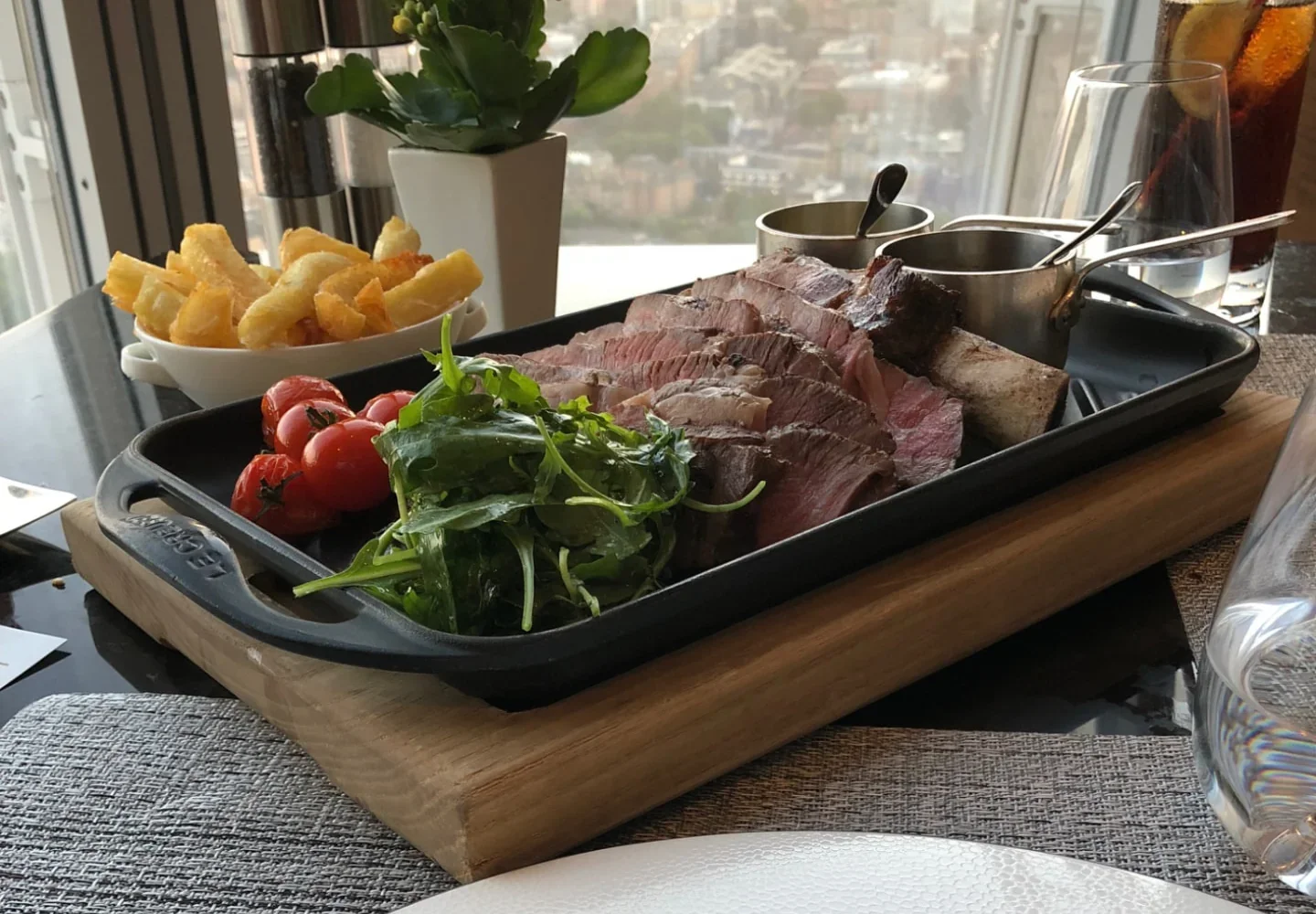
Steak often gets most of the attention on a plate like this. It's easy to see why: protein is central to conversations about fitness, strength and recovery. But the greens and tomatoes alongside it do more than add colour.
A useful way to think about a balanced meal is to consider what each part contributes, rather than focusing on one nutrient.
What protein brings to the plate
Protein provides amino acids that the body uses to build, repair and maintain tissues, including muscle. Beef also supplies iron, zinc and vitamin B12.
But more protein isn't automatically better. According to the British Nutrition Foundation, the UK reference intake for adults is 0.75 g per kilogram of body weight daily. Someone weighing 70 kg, for example, has a reference intake of approximately 53 g per day. People undertaking demanding exercise may need more.
The key is getting sufficient protein from varied sources, not simply maximising intake at every meal.
What vegetables bring
Vegetables offer nutrients that complement protein-rich foods.
Vitamin C, found in peppers and broccoli, supports healthy tissues and wound healing. Magnesium, present in leafy greens such as spinach, helps the body release energy from food. Potassium, found in many vegetables, contributes to fluid balance and normal heart muscle function.
Vegetables also provide fibre, which supports digestive health.
These functions are outlined in the NHS guidance on vitamin C and minerals.
The broader message is variety. The NHS Eatwell Guide recommends at least five portions of different fruit and vegetables daily.
How do these nutrients work together?
One useful example is iron absorption.
Vitamin C helps the body absorb non-haem iron, found in plant foods such as lentils, beans and leafy greens. Pairing these foods with peppers, tomatoes or broccoli can therefore be useful, as explained in NHS guidance on vegetarian diets.
Beef also provides haem iron, which is absorbed differently. Vegetables don't magically improve protein absorption; their main contribution is to broaden the meal's nutritional value.
Putting it into practice: steak, greens and potatoes
Here's an easy meal to prepare at home.
What to buy (one serving):
- 125 g lean beef steak
- 180 g baby potatoes
- Two handfuls of spinach or rocket
- 100 g cherry tomatoes
- Half a red pepper
- One teaspoon olive oil, lemon and black pepper
How to cook:
- Halve the potatoes and roast at 200°C for approximately 25–30 minutes with a little oil.
- Add the tomatoes and sliced pepper towards the end of cooking.
- Pan-sear the steak, cooking the outside thoroughly and following appropriate food-safety guidance.
- Let the steak rest, then serve with washed greens and a squeeze of lemon.
A few practical tips: Adjust the potatoes to your appetite and activity. Avoid unnecessarily prolonged vegetable cooking, which can reduce vitamin C. For variety, replace the steak with chicken, tofu or chickpeas.
Red meat can fit into a balanced diet, but moderation matters. The NHS recommends that people regularly eating more than 90 g of cooked red or processed meat daily reduce their average intake to 70 g.
What to remember
Protein matters, particularly for active individuals. But a well-rounded meal isn't about getting as much protein as possible.
Include a variety of vegetables, consider your energy needs and look at the overall balance of what you eat.