Nutrition Education
Vitamin D for winter, from the label to your lunch
A practical UK guide to winter vitamin D, the 10 microgram supplement recommendation, food sources and reading labels, from Nouryx.
By Ismail Sattaoui, Registered Associate Nutritionist (ANutr) ·
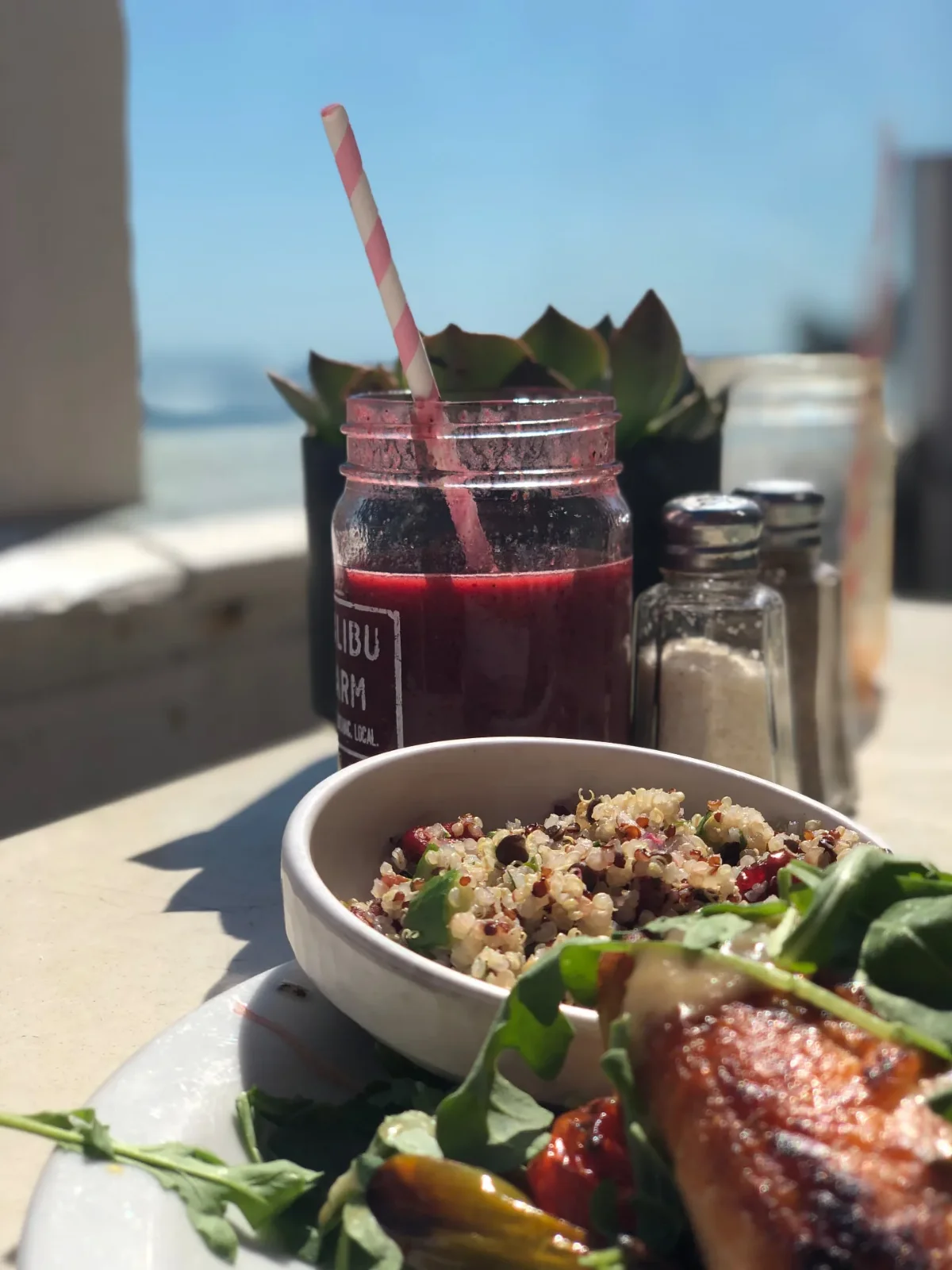
The sunlit lunch in this photo brings food and sunshine into the same frame. Both matter when thinking about vitamin D, but in the UK, the season changes how much our skin can make. Getting ready for winter means checking food sources and a supplement label, even when the day looks bright.
Why the season matters
Our skin makes vitamin D in response to sunlight. Between October and early March, sunlight in the UK does not provide enough for us to make what we need. The NHS explains this seasonal change.
Vitamin D helps the body absorb calcium, which supports healthy bones. Think of calcium as a building material and vitamin D as helping your body make use of it. Both have a role in maintaining bone health.
Start with the label
UK guidance is that adults should consider a daily supplement containing 10 micrograms of vitamin D during autumn and winter, because getting enough from food alone is difficult. This is the public-health recommendation, including during pregnancy and breastfeeding.
On the packet, 10 micrograms may appear as 10 µg, 10 mcg or 400 IU. These describe the same amount. Check the recommended daily serving, which may contain more than one tablet or gummy. If your multivitamin already provides 10 micrograms, check that before adding a separate product.
For example, a label showing “vitamin D, 10 µg (400 IU) per daily serving” matches the routine winter amount. The NHS confirms the conversion between micrograms and IU. Follow the product instructions and build taking it into a routine you can remember.
Put food alongside the supplement
Oily fish such as sardines and salmon, egg yolks and some fortified foods provide vitamin D. For plant-based drinks or cereals, check whether vitamin D has been added. Fortification varies between products.
For a simple vitamin D-containing lunch to try at home, buy a tin of sardines, wholemeal bread, a tomato and a lemon. Drain about 100 g of ready-to-eat sardines, mash them with lemon juice and black pepper, then serve on two slices of toast with the sliced tomato.
This is a practical way to include a vitamin D source. The amount varies with the fish and product, so the meal should sit alongside the winter supplement advice. Keep a few suitable staples available so the idea is easy to repeat.
Check whether winter is the whole story
People who spend little time outdoors or usually cover most of their skin are advised to take 10 micrograms daily throughout the year. People with dark skin should also consider year-round supplementation.
These are general adult guidelines. If a clinician has prescribed a different dose, follow that plan. The NHS safety guidance says adults should not exceed 100 micrograms daily without medical advice. That upper limit is not a target.
For winter, start with one label check, a repeatable daily routine and a few useful foods on your shopping list.